
Nestor Apricot: Ripening, Fruit and Pollination
Updated on 8/9/2026
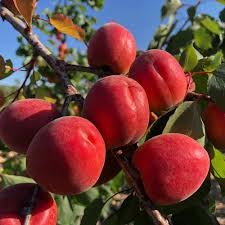
Nestor apricot is a very early, self fertile cultivar with orange fruit and a red blush. It deserves attention when a grower wants to open the apricot season early without giving up useful firmness or an attractive commercial appearance.
That sounds like a simple choice. It is not. An early cultivar must be judged together with the site, spring frost risk, rootstock and intended market. A harvest date observed in Spain should never be copied directly into an orchard plan for Moldova.
What is Nestor apricot
Nestor was bred by PSB Producción Vegetal. The breeder describes a self fertile tree with medium vigour, a semi open habit and maturity around the Colorado season. The fruit is elongated, orange and usually reaches reference size A or AA.
The Raludor catalogue describes medium vigour, very good productivity, late bloom, orange flesh and good firmness. Its reference sugar level is about 12 degrees Brix. The fruit is oval, with an orange background and a red cheek.
These numbers describe the cultivar, not a guaranteed crop. Size, sugar and harvest timing move with crop load, water, soil, pruning and weather.
Nestor at a glance
| Criterion | Characteristic |
|---|---|
| Maturity | Very early |
| Pollination | Self fertile |
| Tree vigour | Medium |
| Fruit shape | Oval or slightly elongated |
| Colour | Orange with a red blush |
| Reference size | A or AA |
| Firmness | Useful for an early cultivar |
| Declared resistance | Sharka tolerance |
Why commercial growers consider Nestor
The first reason is market timing. An apricot harvested early can reach buyers before the main season becomes crowded. This does not guarantee a premium. It gives the grower a different position in the calendar.
The second reason is self fertility. Nestor can set fruit with its own pollen, which makes pollination planning simpler. Even so, no commercial block should be designed from that label alone. Bee activity, bloom weather and site uniformity still influence the crop.
The third reason is appearance. The orange background and red cheek suit demand for bicolour fruit. Firmness also helps during picking and handling, especially when the fruit must travel beyond the farm gate.
Nestor or Borsalino
Both cultivars sit near the beginning of the season, but they are not identical. Raludor lists Borsalino as self fertile, with early to medium bloom, round fruit, yellow flesh and a reference sugar level near 12 degrees Brix. Nestor has a more oval fruit, orange flesh and a slightly different early window.
On a site with a history of spring frost, bloom timing can matter more than gaining a few harvest days. If the goal is a longer sales calendar, the two cultivars may be assessed as parts of one sequence instead of simple rivals.
What to check before ordering trees
Start with the land. A low spot may collect cold air on exactly the nights that matter. Then check drainage, water supply and the local spring temperature record.
Match the rootstock to planting density and the intended canopy. The same cultivar behaves differently in strong soil and weak soil. Finally, define the buyer. Local fresh sales, distant delivery and export do not ask for the same firmness or the same picking date.
View the Nestor cultivar page, browse all apricot cultivars or ask Raludor for a site specific recommendation through the contact page.
Questions about Nestor apricot
Is Nestor apricot self fertile?
Yes. Both the breeder and the Raludor catalogue describe Nestor as self fertile. Weather and pollinator activity still affect fruit set.
When does Nestor apricot ripen?
Nestor is a very early cultivar. The exact date changes by region and year. Compare it with reference cultivars in the same area and with local records, not with one foreign calendar date.
Is Nestor resistant to Sharka?
PSB and Raludor describe the cultivar as tolerant to Sharka. Genetic tolerance does not replace certified trees, orchard hygiene or plant health monitoring.
Can Nestor work in a small orchard?
Its self fertility makes it easier to place in a small planting. The final answer still depends on space, rootstock, soil and frost exposure.
Technical sources: PSB Producción Vegetal, Nestor cultivar sheet and the Raludor Nestor catalogue page.